Looking at Monticello and wondering which parts of town fit your lifestyle best? You’ll find a compact in-town grid, newer pockets near the golf course, and wide-open acreage with mountain views. This guide breaks down the main housing styles and neighborhood pockets, what lots look like, how close you’ll be to services, and what to verify before you buy. Let’s dive in.
Why Monticello works for many buyers
Monticello sits at the base of the Abajo Mountains, a small county-seat community and a gateway to public lands like Canyonlands and Bears Ears. That geography shapes your choices: walkable blocks near Main Street, newer subdivisions, and rural parcels with room to spread out. Population is about 1,824 and elevation is roughly 7,000 feet, which brings four seasons and mountain air (Monticello overview).
You’ll find core services in or near town, including city Building & Zoning, a community hospital/clinic, and public schools (city departments, Monticello Elementary). Market snapshots often put typical home values in the low-to-mid $300k range, but inventory is small and prices move with just a few sales. Plan to confirm current numbers when you’re ready to shop.
Neighborhood pockets to know
Downtown grid near Main Street
- Character: Early- to mid-20th century cottages, bungalows, and mid-century ranchers on an easy-to-navigate street grid. You’re close to schools, the post office, and everyday shopping.
- Lots and homes: Small-town lots often run about 7,000 to 12,000 square feet, with many ranch/rambler floor plans. Expect established landscaping and mature trees on some streets.
- Access: The strongest walk or quick drive to schools and the clinic. Municipal water and sewer are typical in city limits (city departments).
- Good fit: You value convenience, compact yards, and classic small-town character.
South side and The Hideout area
- Character: Homes near The Hideout Golf Club and city recreation areas. The course is a local focal point with mountain views and open space (The Hideout Golf Club).
- Lots and homes: A mix of newer single-family builds and custom homes. Parcel sizes vary from modest building lots near facilities to larger view lots.
- Access: A short drive to Main Street with quick access to golf and trails.
- Good fit: You want newer construction or recreation at your doorstep while staying close to town.
Newer subdivisions and planned pockets
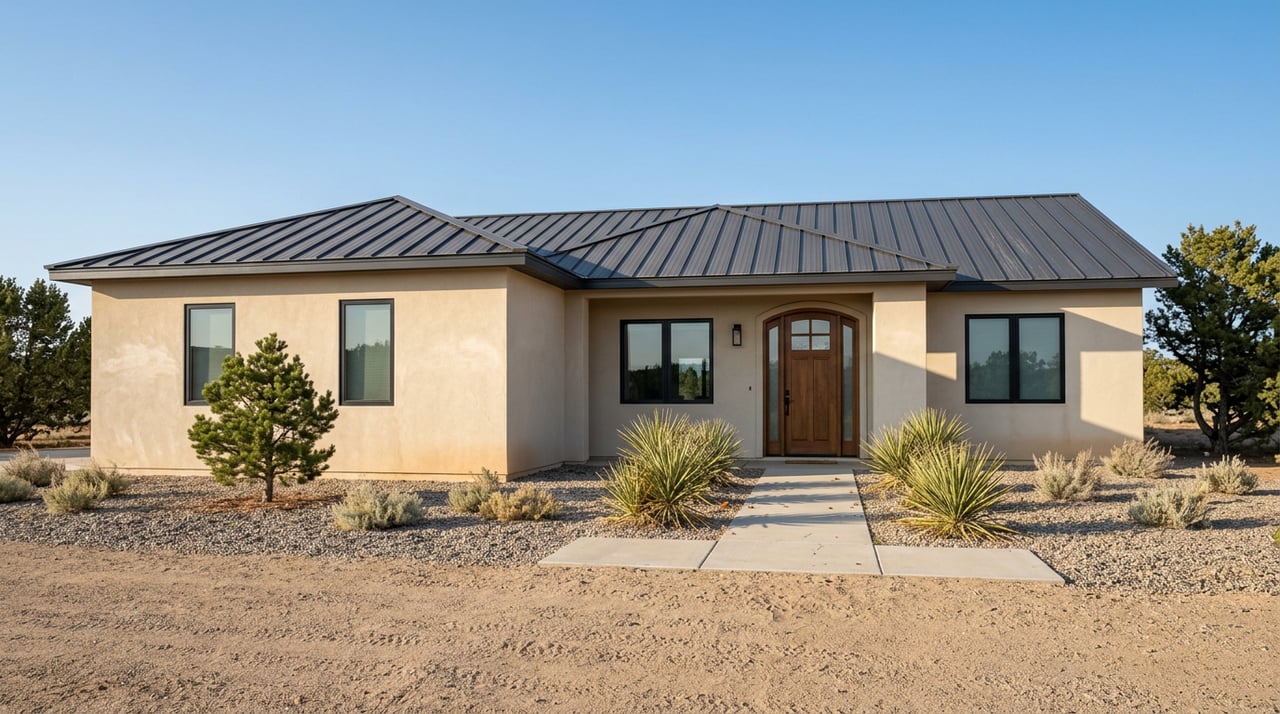
- Character: Recent decades brought infill and smaller subdivisions inside or just outside city limits. MLS references often include Oak Heights and Ranches/Elk Meadows.
- Lots and homes: Common lot sizes range from about 0.25 to 0.75 acre. The county has allowed quarter-acre lots in certain approved situations; always confirm current rules with planning.
- Access: Utility setup depends on location. Inside city limits often means municipal water/sewer. Just outside may require well and septic. Start with city Building & Zoning or San Juan County Planning (city departments, San Juan County Planning).
- Good fit: You want newer finishes, a bit more space than downtown, and easier building or maintenance than remote acreage.
Small-acreage and ranch properties
- Character: Hobby farms and ranch tracts on the valley floor and rural outskirts. You’ll see everything from 1–5 acre parcels to tens or hundreds of acres.
- Lots and homes: Frequent parcel sizes include 1–10 acres for small hobby properties and 20–80+ acres for larger ranch and recreation tracts. Housing types vary from modest homes to custom builds.
- Access: Many rely on private wells, septic, and a mix of utility providers. Budget for road maintenance, well drilling or hauling, septic/percolation testing, and longer drives. For a step-by-step look at rural building in the region, see this practical guide to nearby La Sal, which follows similar processes (rural building guide).
- Good fit: You want privacy, space for animals or equipment, and wide views.
Blue Mountain foothills and ridge lots
- Character: Foothill cabins and mountain retreat homes with strong views and a more alpine feel. Some roads have grade and potential seasonal access limits.
- Lots and homes: Multi-acre mountain lots and cabins, often sited for views and a retreat vibe.
- Access: Expect due diligence on access, utilities, and winter travel times.
- Good fit: You’re seeking a quiet mountain aesthetic and easy access to hiking and recreation.
Quick compare: styles, lots, access
- Downtown grid: Older cottages and ranchers; roughly 7,000–12,000 sq ft lots; strongest access to services; municipal utilities.
- Hideout area: Newer builds and custom homes; variable lot sizes; quick to golf and trails; short drive to town.
- Newer subdivisions: Transitional or contemporary homes; about 0.25–0.75 acre lots; utilities depend on city vs. county location.
- Small-acreage/ranch: 1–10+ acres up to large ranch tracts; wells and septic common; plan for road and utility logistics.
- Mountain-edge: Cabins and mountain retreats on multi-acre parcels; seasonal access considerations; big views.
What to verify before you buy
- Water and sewer: Confirm whether a parcel is inside city service areas for water/sewer or will require well and septic. Start with Monticello Building & Zoning (city departments).
- Septic and wells: Ask for prior well logs, water rights, pumping tests, and septic site evaluations. Regional steps mirror those in nearby La Sal, outlined in this guide (rural building guide).
- Zoning and lot minimums: San Juan County has updated land-use rules in recent years. Verify zoning, subdivision status, and any HOA or CCRs with county planning (San Juan County Planning).
- Broadband and cell: Coverage varies outside town. Check address-level availability using the FCC’s National Broadband Map how-to resources, and confirm cell reception on site (FCC broadband map how-to).
- Road access: Determine if access is on a public road or private easement and who pays for maintenance and snow removal. County records can clarify access and easements (County Clerk & Recorder).
- Environmental history: The area includes the former Monticello uranium/vanadium mill site. For properties near the former mill or Montezuma Creek floodplain, review DOE Legacy Management and EPA records for any parcel-specific controls or monitoring (DOE site review).
- Permits and timelines: Building permits, subdivision reviews, and inspections run through the city or county. Check current fee schedules and review timelines before you plan your move (city departments, San Juan County Planning).
How pricing and inventory typically look
Monticello is a thin market, so a few sales can shift the numbers. In general, in-town single-family homes often trade in the lower price bands relative to custom builds near recreation areas, and acreage prices vary widely by size, improvements, water rights, and access. Expect land inventory to include both small building lots and larger ranch tracts. When you’re serious, pull current comparables and on-market options.
Local resources to keep handy
- City of Monticello Building & Zoning: Utility connections, permits, and city service areas (departments page).
- San Juan County Planning & Zoning: Zoning, subdivision status, and county approvals (planning page).
- Monticello Elementary and High School: School calendars, location, and contact details (Monticello Elementary).
- DOE Legacy Management: Monticello Mill Tailings Site fact sheets and five-year reviews (site review).
- FCC Broadband: How to check address-level broadband availability (map how-to).
Ready to narrow your search to the right pocket for your goals? From in-town convenience to mountain-edge retreats, our team helps you line up utilities, confirm zoning, and compare on-market and off-market options. Reach out to the Blake Walker Group to start your Monticello game plan today.
FAQs
What housing styles are most common in downtown Monticello?
- You’ll see early- to mid-20th century cottages, bungalows, and mid-century ranch/rambler homes on small, walkable lots near Main Street.
How big are lots near The Hideout Golf Club?
- Lot sizes vary from modest building lots close to the course to larger custom parcels positioned for views; verify utilities and setbacks for each parcel.
What should I check before buying rural acreage near Monticello?
- Confirm legal access, road maintenance responsibility, well logs and water rights, septic feasibility, utility options, and cell/broadband coverage using the FCC map resources.
Are municipal utilities available in newer Monticello subdivisions?
- Some newer pockets are inside city limits with water/sewer access, while others just outside the boundary may require well and septic; verify with city or county planning.
How does past mill site remediation affect a purchase in Monticello?
- For properties near the former mill or Montezuma Creek floodplain, review DOE Legacy Management records for any parcel-specific controls or monitoring before you proceed (DOE site review).