Thinking about buying land in La Sal and building your own place? The wide-open feel and mountain views are hard to beat, but rural development in San Juan County works differently than in town. With the right plan, you can avoid costly surprises and move from idea to keys with confidence. In this guide, you’ll learn how to verify access, sort out utilities, navigate zoning and permits, choose the right team, line up financing, and manage timelines. Let’s dive in.
Why build in La Sal
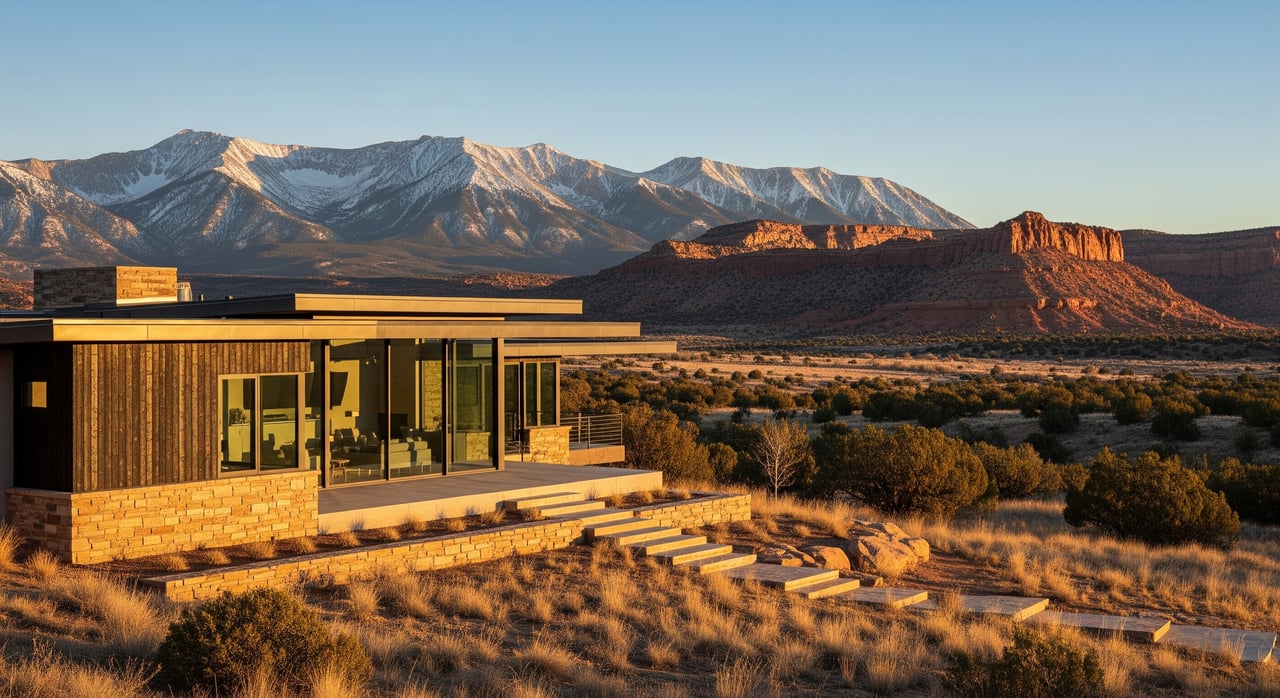
La Sal sits near the La Sal Mountains and the Manti–La Sal National Forest. Parcels can be scenic and private, with a mix of private, state, and federal lands nearby. You’ll find lower density and fewer services than Moab, which is part of the appeal for many buyers.
That rural character comes with trade-offs. Roads may be seasonal, utilities can be distant, and timelines are longer. Go in with clear eyes and a strong checklist so you can balance the benefits with the practical steps that make your project feasible.
First checks: access and title
Before you write an offer, make sure you can legally reach the property and build what you want to build.
Verify legal access
Not all roads in La Sal are county maintained. Confirm whether your access is via a public road, a county road, or a recorded easement across neighboring land. Unrecorded historic tracks can be revoked by a future owner, which puts your build at risk.
Call the San Juan County Recorder to review recorded easements and deeds. Ask the county Roads or Engineering office if the road is maintained and whether you need a driveway approach permit. If your route touches a state highway, check with UDOT about approach rules. If access crosses BLM or US Forest Service land, verify the route’s status and any permits required.
Title, easements, and mineral rights
Order a current title report early. Look for recorded utility easements, road easements, covenants, and any rights-of-way for pipelines or power lines. In parts of Utah, sellers reserve mineral rights, which may affect surface use. Build contingencies into your contract that require clear access and utility easements before you release earnest money.
Encumbrances and overlays
Ask about floodplain, scenic corridor, or other county overlays. In southeastern Utah, cultural and archaeological resources are common. Certain permits or activities can trigger extra review. Identify these early so they do not delay your schedule.
Utilities and site feasibility
Utility availability is the biggest swing factor for cost and timeline in La Sal. Start with a realistic plan for power, water, wastewater, and communications.
Electricity
Some parcels can tie into nearby lines. Others require long extensions or an off-grid setup. Ask the local electric provider for a map of the nearest lines and a written cost estimate for extension. Compare that with a hybrid system that combines solar, batteries, and a backup generator. For remote parcels, this hybrid approach is common.
Water supply
Options include a private well, hauled water, or connection to a community system if one is close. Check nearby well logs and talk with the Utah Division of Water Rights about well and water-right requirements. If a parcel has an existing well, verify the well’s permitted status, water rights, and a recent pump test. Well depth and yield vary with geology, so plan conservatively.
Septic and wastewater
Most La Sal builds use an onsite septic system. Contact San Juan County Environmental Health to learn about soil tests, septic permitting, setbacks, and minimum lot sizes. If soils do not percolate well, you may need a mound system, an aerobic treatment unit, or another engineered solution. These alternatives work, but they add cost and require maintenance.
Internet, phone, and cell service
Expect spotty cellular coverage in some mountain and valley locations. Fixed wireless or satellite internet are common solutions. A cellular booster can help, but confirm service by visiting the site.
Fuel and heating
Many rural homes use propane with scheduled deliveries. Wood heat is an option where allowed. If you plan to heat with electricity, size your system with battery capacity and backup in mind, especially if you are off-grid.
Utility permits and inspections
Utility companies may require new easements and inspections before service goes live. The county typically needs proof of water availability and septic approval before issuing a building permit. Build those steps into your schedule.
Zoning, permits, and reviews
Know what you can build, where you can place it, and which permits you need.
County zoning basics
San Juan County Planning and Zoning regulates allowed uses, setbacks, minimum lot sizes, and building heights. Confirm whether single-family use is allowed, whether accessory buildings or dwelling units are permitted, and any overlay restrictions. If you plan to use the home as a rental, ask about applicable county rules and any neighborhood covenants that could limit use.
Building permits and code
The county issues building permits and follows Utah State Construction Codes. New homes, major additions, and most electrical, plumbing, and mechanical work require permits and inspections. Review times range from a few days to several weeks depending on complexity and whether other reviews are triggered.
Cultural resources and federal interfaces
If your project involves federal land, federal funding, or federal permits, a cultural review under the National Historic Preservation Act may be required. Even on private land, some local or state permits can include cultural checks. The Utah State Historic Preservation Office can advise on when surveys are needed. If your property touches BLM or USFS land, verify any access, trail, or easement details.
Natural hazards and wildfire
Assess wildfire risk, topography, and access for firefighting. Create defensible space and confirm any local building requirements for wildfire-prone areas. Also review FEMA flood maps to understand floodplain constraints before you finalize design.
Hiring the right team
A rural build succeeds when you hire experienced pros who know how to work in remote conditions and coordinate utilities and permits.
General contractors
Verify that your contractor is licensed and insured in Utah. Ask for local references, examples of similar rural builds, and a detailed proposal with line-item pricing, milestones, and a clear change-order process. Include lien waivers and a written warranty. Prioritize teams that have coordinated off-grid systems and utility extensions before.
Other key professionals
- Licensed surveyor for boundary and topographic work
- Geotechnical or soils engineer if the site warrants it
- Septic designer and a local well driller
- Architect or designer familiar with climate and code
- Civil engineer for grading, drainage, and driveways where needed
Logistics and seasons
Remote locations increase lead times and travel costs. Seasonal access and weather affect earthwork, foundation work, and deliveries. Schedule major site work for drier months and allow buffer in your timeline to handle delays.
Financing and budgeting
Line up the right loan structure and build a conservative budget with contingency.
Common financing paths
- Lot or land loans for raw land (often higher down payments and rates)
- Construction-to-permanent loans that convert to a mortgage after completion
- Separate construction loans followed by a permanent mortgage
- Builder-offered financing when available
- USDA Rural Development programs for eligible rural properties and qualified borrowers
- VA options with stricter rules for raw land and new construction
- Local banks, credit unions, and private lenders that understand rural projects
Each option has documentation requirements. Expect lenders to ask for plans, budgets, builder credentials, and site details before closing.
Budget line items to include
- Purchase price, title, recording, and escrow fees
- Boundary and topo survey
- Driveway and road improvements, culverts, and approach permits
- Electric service extension or off-grid system
- Well drilling and pump or a community hookup
- Septic design and installation or engineered alternatives
- Grading, drainage, erosion control, and foundation
- Building shell, interior finishes, and site work
- Permit and inspection fees
- Contingency of 10 to 20 percent, especially for remote builds
Costs vary widely by site conditions and utility distance. Get multiple local bids before finalizing your numbers.
Your step-by-step checklist
A clear sequence keeps your project on track and protects your earnest money.
Before you write an offer
- Confirm legal, recorded access to the parcel
- Order a preliminary title report and review easements and restrictions
- Request a map and estimate for the nearest electric lines
- Check water options using nearby well logs and water-right guidance
- Ask the seller for any perc or septic information
- Confirm zoning and allowed uses with the county
- Visit the site for cell coverage, seasonal access, and basic topography
After signing: due diligence timeline
- Survey: 2 to 6 weeks depending on workload
- Title commitment and clearing exceptions: 2 to 4 weeks
- Soil and perc testing with septic design: 4 to 8 weeks
- Well permitting and drilling: variable; plan extra time
- Utility extension agreements and permits: 2 to 12+ weeks
- Building plans, engineering, and application: 4 to 12 weeks
- County permit review and issuance: 2 to 8+ weeks
- Construction: 6 to 12 months for a typical rural home after permits
- Final inspections and certificate of occupancy at the end
For second-home buyers and investors
- Confirm intended use and market demand
- Estimate operating costs including insurance and utilities
- Verify any short-term rental or neighborhood restrictions
- Run a conservative pro forma with higher utility and septic costs and time buffers
Putting it all together
Success in La Sal comes from preparation. Verify access on paper, vet utilities with written estimates, test soils early, and understand zoning before you design. Hire a team that knows remote projects and build a budget with room for surprises. With a clear plan, the views, privacy, and lifestyle you want can be well within reach.
If you are ready to take the next step, the Blake Walker Group can help you identify the right parcel, structure offers that protect you, coordinate financing, and guide you through a smart, step-by-step due diligence plan.
FAQs
Can I build right after I buy land in La Sal?
- Usually not. You need confirmed water, septic approval, and county building permits first, and each step takes time.
How do I tell if a La Sal parcel is buildable?
- It needs legal access, zoning that allows your use, feasible water and wastewater solutions, and no blocking environmental or cultural constraints.
Are off-grid systems realistic in La Sal?
- Yes. Many remote parcels use solar, batteries, propane, and engineered septic or alternatives. Feasibility depends on your budget and maintenance plan.
What surprise costs should I plan for?
- Electric line extensions, engineered septic systems due to poor soils, long driveway or road work, and cultural-resource mitigation can add significant costs.
How long does a rural build usually take?
- From land purchase to move-in, plan on 9 months to 2 years or more, depending on permitting, access, weather, and build complexity.
Who do I call for parcel-specific answers?
- Start with San Juan County Planning and Zoning, the County Recorder, Environmental Health for septic, and the local electric provider for service location and estimates.