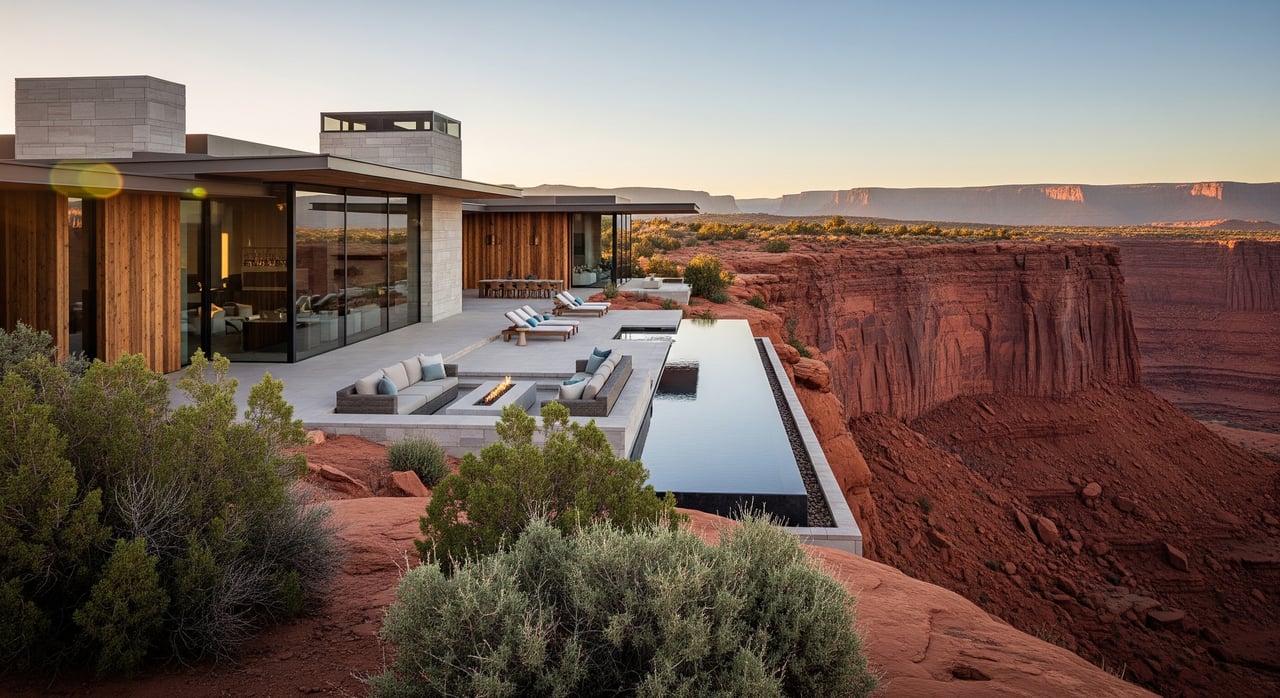
Have you ever pictured slipping away to red rock sunsets and quiet desert mornings whenever you need a reset? Owning a second home in Moab can give you that freedom, along with quick access to Arches, Canyonlands and miles of BLM trails. You also take on a few realities that come with a small, high-demand gateway town. In this guide, you’ll learn how seasons shape daily life, what ownership costs and maintenance look like, and what to know about short-term rental rules and travel logistics. Let’s dive in.
Why a Moab second home works
Moab is a small desert community surrounded by public lands. That means you can leave your driveway and be on world-class trails within minutes. It also means the town’s pace changes with visitor seasons. If you want easy outdoor access, a tight-knit community feel and a quiet base between adventures, Moab delivers.
Property choices range from in-town single-family homes and condos to cabins and custom builds on nearby parcels. Outside city limits you’ll find wells, septic systems and propane service more often, which can be a good fit if you want some elbow room and darker skies.
Travel is straightforward with a little planning. Canyonlands–Moab Airport offers limited commercial service, while Grand Junction Regional Airport is about 1.5 to 2 hours away and Salt Lake City International is about 4 or more hours. Your airport choice will shape how often you visit and how friends and family get in.
Seasons and how they shape your stay
Spring and fall peak
Spring (March to May) and fall (September to October) bring ideal temperatures for hiking, biking, rafting and 4x4 trips. These are busy months in town and at the parks. Expect fuller restaurant waits, more traffic near trailheads and tighter parking. Many owners plan early starts for popular hikes or choose midweek windows to keep things smooth.
Summer realities
Summer is hot, with midday temperatures that can push many activities to early morning and evening. River trips, climbing in shaded canyons and longer drives to higher elevations help you use the season well. You’ll want a strong cooling plan at the house and a routine for dust control and HVAC filter changes.
Quiet winter
Winter is the quietest stretch. You’ll find fewer crowds, cooler temps and occasional snow. If you enjoy solitude, clear night skies and relaxed visits to town spots, this season is a hidden gem. Just be ready for freezing nights. If the home sits vacant, you should winterize plumbing and monitor heat remotely.
Getting here and getting around
If you’re flying in, look at flight schedules season by season. Some routes to the local airport shift during the year. For more frequent options, Grand Junction or Salt Lake City often make sense. If you’re driving, road access is generally simple, though storms can affect travel at times.
Many owners keep a vehicle set up for recreation. Think good tires, a bike rack and space for water and gear. Off-road vehicles can be a great addition, but check storage and local rules for where and how you plan to use them.
What to expect in daily life
Groceries and gear
Moab has grocery stores, hardware and excellent outdoor outfitters. Selection is solid for most needs, though specialty items and some gear can be easier to pick up in larger cities. If you host guests, it helps to keep a simple stock list so restocking is fast at the start of each visit.
Connectivity and cell service
Cell service is generally reliable in town and along main corridors, but it drops off quickly in canyons and at remote trailheads. If you work remotely, confirm internet options at any property you’re considering. Many second-home owners use satellite or fixed wireless for stable speeds.
Healthcare access
Moab offers clinics and emergency care. For specialized needs, many residents travel to Grand Junction or Salt Lake City. If you or family members have specific medical requirements, factor care access and response times into your property choice.
Ownership basics and costs
Utilities and systems
Inside city limits you’ll often have municipal water and sewer. Outside town, wells and septic systems are common, with propane used for heating and cooking. It’s smart to verify utility providers, septic age and service history and any well production data before you buy.
Seasonal maintenance
- Summer: Service HVAC, swap filters often and create defensible space for wildfire resilience. Dust control protects interiors and systems.
- Winter: At roughly 4,000 feet, Moab sees freezing nights. If you leave the home vacant, winterize plumbing with pipe insulation, heat tape and smart thermostats. Many owners add leak sensors and remote water shutoff.
- Security and monitoring: Cameras, temperature sensors and water monitors reduce risk when you are away. A local contact who can check the home after storms or before guest arrivals is invaluable.
Ongoing budget
Beyond your mortgage and property taxes, plan for homeowners insurance, utilities, HOA fees if applicable and regular maintenance. Rural features such as wells, septic, pools or hot tubs and larger lots add line items for servicing and supplies. If you plan to rent seasonally, keep vacancy and turnover costs in your model.
Insurance deserves a careful look. Wildfire exposure, flood potential near river corridors and nonstandard systems can affect coverage and premiums. Get property-specific quotes early in your search.
Renting your home: rules and taxes
Local STR rules overview
Moab and Grand County, like many destination towns, regulate short-term rentals. Typical requirements include licensing or registration, occupancy and parking standards and compliance with noise and trash rules. Allowed uses vary by zoning district. If renting is part of your plan, confirm current rules with the City of Moab and Grand County before you close. Policies and enforcement can change over time.
Taxes and registration
Short-term rental income in Utah can trigger state sales and transient room taxes, and local lodging or resort taxes may apply. Owners who rent are usually responsible for registration and tax remittance. Keep clean books and consider a tax professional who understands STR reporting.
Professional management
If you want a turn-key experience, professional management can handle marketing, bookings, cleaning and guest support. A local team can also manage maintenance, vendor scheduling and compliance tasks like licensing renewals and tax filings. This can help you protect the asset while keeping your time free.
Outdoor access and permits
National Parks
Arches and Canyonlands are managed by the National Park Service. In peak seasons, Arches has used timed-entry reservations, and Canyonlands has backcountry permit requirements for overnights. Build your trip plans around reservation windows and current advisories, and consider early starts for popular areas.
BLM lands and local events
Much of the land around Moab is managed by the Bureau of Land Management. Dispersed camping is allowed in many areas with rules for fires, trash and vehicle use. Some routes have seasonal restrictions for resource protection. Event periods like the long-running Jeep and off-road gatherings increase demand in town and on nearby routes, so check local calendars when you schedule visits or host guests.
A buyer’s checklist for Moab
- Confirm zoning and allowable uses for your target properties, including whether short-term rental is permitted.
- Verify utilities: municipal versus well and septic, propane service and power provider.
- Test internet and cellular service at the property.
- Review insurance exposures for wildfire and flood and consult FEMA maps during due diligence.
- Ask about seasonal road access, snow removal and emergency response times.
- If renting, understand licensing steps, occupancy rules and all lodging and sales tax obligations.
- Line up local service providers for HVAC, plumbing, septic, landscaping and cleaning.
- Install remote monitoring and consider a remote water shutoff system after closing.
Neighborhood fit and community life
Moab’s culture is rooted in outdoor recreation and a small-town service economy. As a second-home owner, you’ll notice local conversations about housing, visitor pressure and resource use. You can contribute positively by learning local norms, supporting area businesses and practicing Leave No Trace principles, water conservation and wildfire awareness. A little neighborly communication goes a long way during busy seasons.
Is a Moab second home right for you?
If you want quick access to hiking, biking, river days and big desert views, Moab is hard to beat. The tradeoffs are predictable and manageable with planning. You will plan around peak seasons, set up smart home monitoring, and stay current on rental rules if you host guests. In return, you get a base camp that makes the most of your time outside, whether you come for long weekends, school breaks or quiet winter stretches.
When you are ready to explore homes, land or income-producing options, a local team with deep roots and full-service support can save you time and help you buy with confidence. To talk through neighborhoods, zoning, financing coordination, staging or property management, reach out to the Blake Walker Group.
FAQs
What should I budget for Moab second-home upkeep?
- Plan for property tax, insurance, utilities, HOA fees if applicable and seasonal maintenance. Rural systems like wells, septic and propane add servicing costs.
How do Moab’s peak seasons affect my visits?
- Spring and fall are busiest, so expect more traffic and fuller restaurants. Early starts, midweek trips and shoulder-season visits reduce friction.
Can I rent my Moab second home short term?
- Possibly, depending on zoning and current rules. Licensing, occupancy and tax collection often apply. Confirm details with the City and County before you buy.
What internet options should I consider?
- In-town options vary by address. Many owners use satellite or fixed wireless for reliable speeds. Test service at the property during due diligence.
Do I need special permits for park visits?
- Arches has used timed-entry reservations in peak seasons, and Canyonlands requires permits for some backcountry travel. Check current NPS systems before each visit.
How should I winterize a vacant Moab home?
- Insulate exposed pipes, use heat tape where needed, set smart thermostats and install leak sensors and a remote water shutoff. A local contact can verify settings after cold snaps.