If you can work from anywhere, La Sal can sound like the dream: open space, mountain views, and a quieter pace that feels far from the rush. But remote-friendly living here works best when you look beyond the scenery and plan for the day-to-day details. If you are thinking about making La Sal your home base, this guide will help you understand what to expect, what to verify, and how to set yourself up for a smoother routine. Let’s dive in.
Why La Sal appeals to remote buyers
La Sal offers a rural setting in San Juan County with about 47.6 square miles of land area. The nearby NOAA climate station sits at 6,787 feet, which helps explain why the area feels more like a high-elevation, four-season base than a typical low-desert stop.
For many buyers, that is the draw. You get a quieter, scenic setting that can support focused work and a slower daily rhythm, especially if you want more space and a little distance from busier hubs.
At the same time, La Sal is better understood as a retreat-oriented area than a dense service center. That means your success here often comes down to preparation, not convenience.
Plan for a drive-based lifestyle
One of the biggest mindset shifts in La Sal is treating driving as part of daily life. For errands and appointments, Moab is the closer hub at about 31 miles away, while Monticello is about 42 miles south via US 191 and Utah 46.
In practical terms, Moab will usually be your go-to for many day-to-day needs. Monticello can serve as a county-seat fallback for certain services, which makes La Sal feel connected, but not close-in.
Public transit should not be your default assumption here. County and regional transit resources are centered elsewhere, and La Sal buyers should expect most commuting and errand runs to be private-vehicle based.
There is some local civic infrastructure, including the La Sal library branch on UT-46. That does not change the rural nature of the area, but it does show that La Sal is more than just open land on a map.
Know the difference between scenic and practical access
La Sal has beautiful surrounding drives, but scenic roads are not the same as everyday infrastructure. The La Sal Mountain Loop is a 60-mile paved backway with no services along the route, and the Forest Service says the full drive takes about 2.5 to 3 hours.
That is great for recreation and a weekend outing. It is not a shortcut for groceries, appointments, or a quick coffee run.
You will also want to think about seasonal road conditions before you buy. The Forest Service notes that road and trail accessibility in the Manti-La Sal area depends on the time of year and weather, and area reports have included construction delays, snow drifts, and high water on mountain roads.
If you work remotely on a schedule, dependable access matters. A property that feels peaceful in fair weather may ask a lot more of you in winter or during shoulder seasons.
Verify internet by exact address
If you work from home, internet should be one of your first due-diligence steps, not something you check later. In La Sal, connectivity can vary enough that town-level assumptions are not reliable.
The FCC National Broadband Map lets you search by exact address and review the providers, technologies, and speeds reported for that location. That matters because two properties in the same general area may not offer the same service options.
There is also evidence that infrastructure varies within the broader La Sal area. USDA Rural Development approved a 32-mile fiber-to-the-premises project for Old La Sal, with service described up to 1 Gbps and a community center offering free internet access for at least two years.
That is encouraging, but it does not mean every property has identical access. The smart approach is to verify service at the parcel level and build in a backup plan if your work depends on stable connectivity.
Remote-work setup tips for La Sal
Before you commit to a property, it helps to think through the basics:
- Check internet availability by exact address
- Confirm reported speeds and connection type
- Ask how service performs during weather events
- Plan for redundancy if your work cannot tolerate downtime
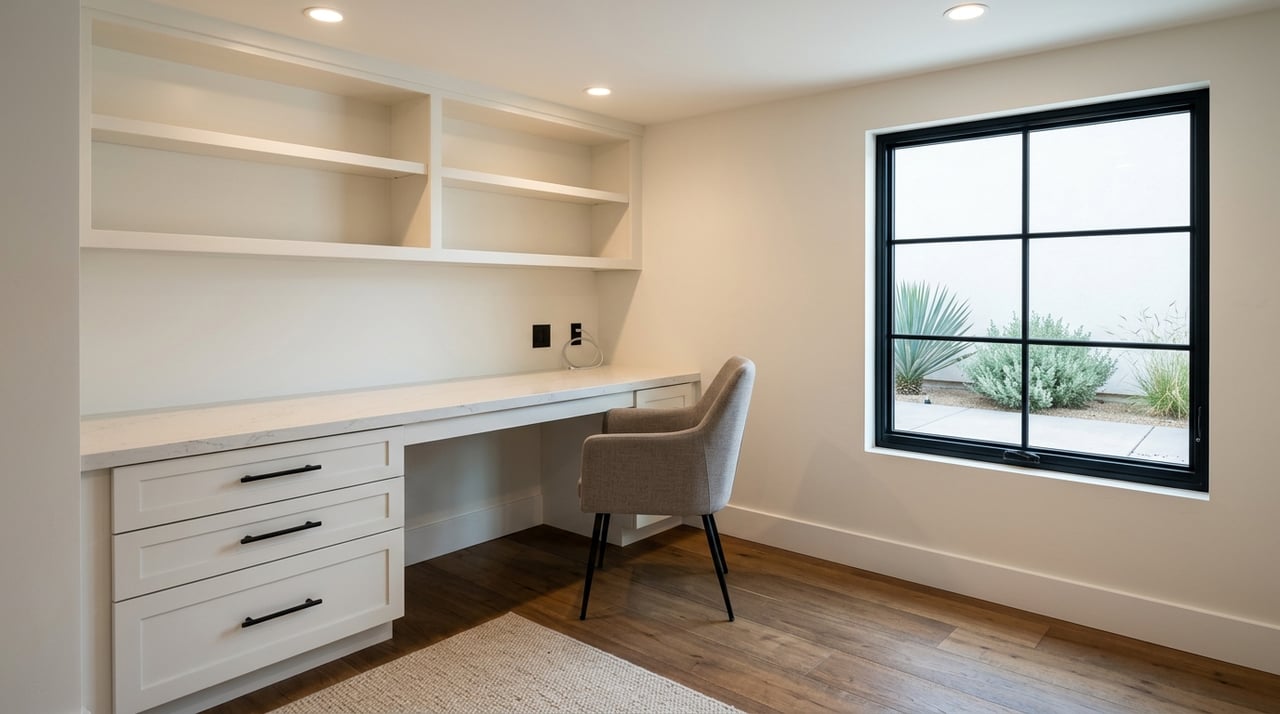
- Consider where your home office will sit for comfort and focus
A scenic location feels even better when your workday runs smoothly.
Prepare for true four-season living
La Sal is not best described as a mild desert climate. Based on NOAA climate normals from the La Sal 1SW station, the annual mean temperature is 48.1°F, annual precipitation is 12.69 inches, and annual snowfall is 50.2 inches.
Winter is a real factor here. December averages 12.3 inches of snowfall, January averages 10.4 inches, and February averages 8.6 inches, while July’s mean maximum is 86.3°F.
That kind of climate can be a plus if you enjoy four-season living and cooler high-country conditions. It also means your home systems, travel routine, and maintenance plan need to match the setting.
Winterize plumbing and home systems
If you plan to use a La Sal property full time, part time, or seasonally, plumbing protection deserves special attention. Utah State University Extension warns that insulation alone is not enough to protect pipes during prolonged freezing without some heat or periodic water flow.
For buyers who may leave a home unattended, the practical steps are straightforward. USU recommends turning off the water, shutting down the water heater, draining the plumbing, keeping the furnace near 50°F if possible, and making sure everyone knows the location of the main shutoff.
These are not small details in a high-elevation market. They are part of what makes the difference between a comfortable remote base and an expensive maintenance problem.
Home system checklist to review
When you tour or evaluate property in La Sal, ask about:
- Heating setup and winter performance
- Plumbing layout and freeze protection
- Main water shutoff location
- Access during snow or poor weather
- Backup plans for power or connectivity interruptions
A home can be beautiful and still need a very practical systems review.
Pay close attention to well and septic
Rural living often means private systems, and those systems deserve careful review during your search. Utah State University Extension notes that many Utah homes use septic tanks, and the tank should generally be pumped before it is more than one-third full, often every 3 to 5 years.
USU also recommends avoiding traffic over the drainfield and keeping large trees away from it. Those simple habits can help protect the system over time.
If the property relies on a private well, well protection matters just as much. USU says wells should be kept away from contamination sources such as septic systems, fuel tanks, livestock yards, and chemical storage, and private well water should be tested every year for heavy metals and bacteria.
If a property includes graywater features, USU notes that a simple residential system can be disconnected during winter months. For remote buyers, this is another reminder that country property often rewards owners who stay proactive and informed.
Is La Sal the right remote home base?
La Sal can be a strong fit if you want quiet, scenery, and room to breathe while staying within reach of Moab. The tradeoff is that you need to be comfortable with a more self-reliant routine, longer drives, address-specific internet verification, and more attention to weather and home systems.
For the right buyer, those tradeoffs are worth it. A well-matched property in La Sal can offer a calm, focused home base that supports both work and lifestyle.
The key is going in with clear expectations. When you understand the logistics, ask the right questions, and buy with local guidance, remote-friendly living in La Sal can feel less uncertain and far more rewarding.
If you are exploring homes, land, or lifestyle properties in La Sal or the greater Moab area, the Blake Walker Group can help you evaluate the details that matter most, from access and property systems to the bigger picture of fit and long-term use.
FAQs
What is daily life like for remote-friendly living in La Sal?
- Daily life in La Sal is typically quiet and vehicle-based, with Moab about 31 miles away for many errands and services and Monticello about 42 miles away as another service option.
How should homebuyers check internet service in La Sal?
- Homebuyers should verify internet by exact property address because service, speed, and provider options can vary within the La Sal area.
What weather should remote workers expect in La Sal?
- La Sal is a high-elevation, four-season area with about 50.2 inches of annual snowfall, including higher snowfall totals in December, January, and February.
What home systems matter most when buying in La Sal?
- Plumbing winterization, heating reliability, road access, well water safety, and septic system condition are some of the most important systems to review.
Is La Sal a good fit for part-time or seasonal homeowners?
- La Sal can work well for part-time or seasonal use, but buyers should plan carefully for freeze protection, water shutoff procedures, and routine well or septic maintenance.