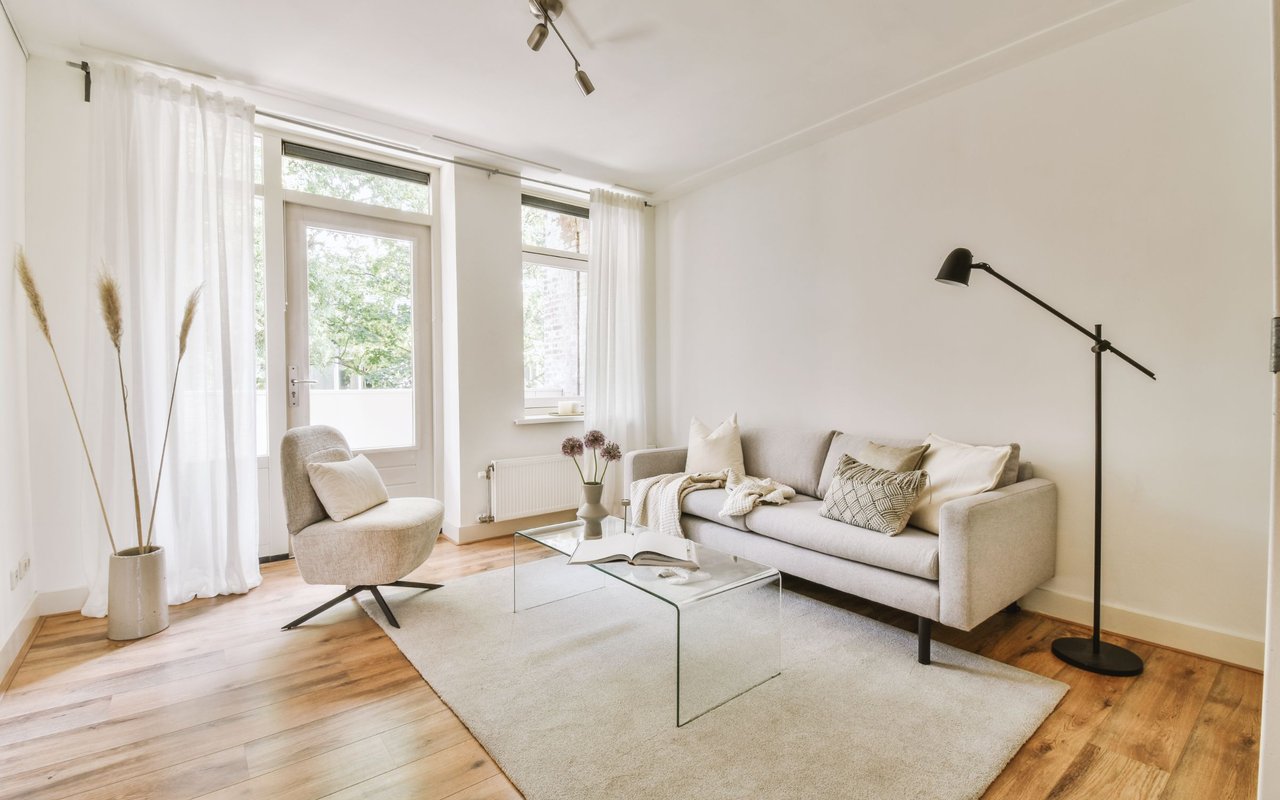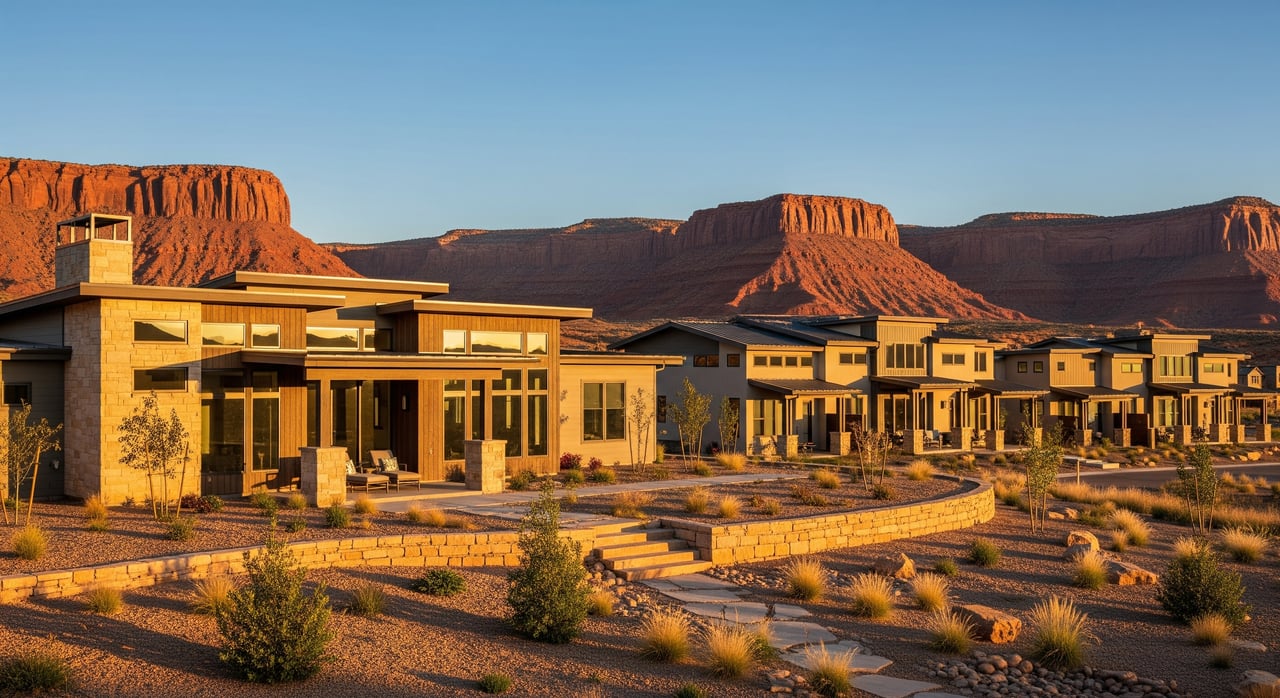
Choosing between a condo, townhome, or house in Blanding can feel tricky, especially when inventory looks different than big Utah cities. You want the right balance of cost, maintenance, and financing that fits your lifestyle. In this guide, you’ll learn how each option works, what HOA rules can mean for your budget, and how lending plays out in a small rural market like Blanding. Let’s dive in.
Blanding housing at a glance
Blanding is a small, rural community in San Juan County. You will see more single-family detached homes and manufactured homes, plus a handful of small multiunit properties. Purpose-built condo complexes and large townhome subdivisions are less common than in metro areas, so availability can shape your choice.
Overall home prices can be lower than many Utah metro markets, which may make a detached house more attainable than you expect. Still, factor in operating costs and rural considerations like well and septic systems, distance to services, and winter maintenance. If you need FHA or VA financing and are considering a condo or a townhome that functions as a condo, limited condo inventory and project approval requirements can narrow options.
Short-term rental interest exists because of nearby public lands, but rules vary locally. If renting part or all of a property is part of your plan, review San Juan County regulations and any HOA restrictions before you commit.
Ownership basics by type
Understanding how each property type is structured helps you plan for costs and responsibilities.
Condominiums
- You own the interior of your unit plus a share of the common elements. An HOA manages the exterior and shared areas under a condominium declaration.
- Monthly dues are common and typically cover exterior maintenance, roof, shared systems, landscaping, common-area insurance, and sometimes utilities for common areas.
- You usually carry an HO-6 insurance policy for interior finishes and personal property. The HOA carries a master policy for common elements.
Townhomes
- A townhome can be set up two ways. It may be a condo regime, which functions like a condominium, or it may be fee simple, where you own the structure and lot and an HOA manages shared spaces.
- Maintenance varies. In a condo regime, exterior care is often the HOA’s job. In a fee-simple setup, you may handle your own roof and siding while the HOA covers roads, landscaping, or amenities. Always read the governing documents to confirm.
Single-family detached homes
- You typically own the house and the lot in fee simple. If the home sits inside a planned community, you may have an HOA that oversees community standards and shared items.
- You carry an HO-3 policy that covers the dwelling and your personal property. You handle all maintenance unless the HOA covers specific items.
HOA rules to review
If a property is part of an HOA or a condo regime, you should receive a packet of documents during due diligence. Read these closely before removing contingencies.
- Governing documents: CC&Rs, bylaws, rules, budget, reserve study, and recent meeting minutes.
- Dues and coverage: What do monthly dues pay for, such as exterior maintenance, roof, master insurance, snow removal, or utilities.
- Insurance details: Scope of the master policy and what you must insure. For condos, confirm whether coverage is walls-in or exterior-only.
- Use restrictions: Rental rules for short-term and long-term, pet policies, parking rules, and architectural guidelines.
- Financial health: Delinquency rate, reserve funding, special assessments, and any litigation. These items can affect future costs and your loan options.
Utah has statutes that govern condominiums and other common-interest communities and set seller disclosure requirements. Always get the full set of HOA documents for any Blanding property with an association.
Maintenance and insurance
Who handles the roof, siding, and systems depends on the legal setup. Confirm responsibilities for your specific property.
Condominiums
- Owner: Interior finishes, personal property, and sometimes interior systems depending on the declaration.
- HOA: Exterior building envelope, roof, shared systems, landscaping, common areas, master insurance, and common-area utilities.
- Insurance: You carry an HO-6 policy for interior improvements and belongings.
- Considerations: You get predictable exterior care through dues, but you share exposure to special assessments and rules.
Townhomes
- Condo regime: Similar to condos. HOA likely handles exterior and common areas.
- Fee-simple with HOA: You may handle roof and exterior, while HOA manages shared roads, landscaping, and amenities. Check the declaration for roof and wall responsibilities.
- Insurance: Policy type depends on structure and HOA coverage.
Single-family homes
- Owner: Roof, exterior, yard, systems, and all utilities on the parcel.
- HOA, if any: May cover shared roads or community amenities.
- Insurance: You carry an HO-3 homeowner’s policy.
Rural cost factors in Blanding
- Septic and well: Many rural properties rely on on-site systems. Budget for initial inspections and ongoing maintenance.
- Seasonal conditions: Snow and ice can affect roofs and access roads. Clarify who plows and maintains shared drives.
- Aging systems: In older homes, HVAC and roofs can be meaningful line items. A thorough inspection helps you budget accurately.
Financing in Blanding
Financing can look different when you compare condos, townhomes, and single-family homes in a rural market.
Condos and condo-regime townhomes
- Project approval: FHA, VA, and some conventional lenders require the condominium project to meet specific criteria. Small or newly created condo regimes may not be approved yet.
- FHA and VA: If a project is not approved, FHA or VA financing may not be available unless a lender can obtain a permitted single-unit approval. That process can be more complex and time sensitive.
- Conventional loans: Fannie Mae and Freddie Mac have condo project standards. Lenders often request an HOA questionnaire, budget, reserve study, and information about any pending litigation or special assessments.
- Practical tip: Ask about project approval early and verify HOA financials that can influence underwriting.
Fee-simple townhomes and single-family homes
- Broadest options: Conventional, FHA, VA, and USDA Rural Development loans are common for qualifying buyers and eligible properties.
- Rural programs: USDA guaranteed loans can offer low or no down payment for eligible borrowers and qualifying areas. Income and property eligibility limits apply.
- Appraisal and condition: For rural properties, expect attention to well and septic functionality, access, and condition of the structure.
Which option fits you
Not every buyer has the same goals. Use these real-world scenarios to focus your search.
- Buyer A: You want low maintenance and easy lock-and-leave. A condo, if available, or a townhome where the HOA handles exterior care and snow removal can fit. Confirm the HOA’s financial health and rules before you rely on dues to cover major items.
- Buyer B: You want land, privacy, and space for pets or projects. A single-family home on a city or county lot, or small acreage, likely fits best. Plan for roof, yard, and possible septic or well maintenance.
- Buyer C: You plan to use VA or FHA financing. Consider starting with single-family homes or fee-simple townhomes. If you prefer a condo or a condo-regime townhome, verify project approval at the outset.
- Buyer D: You want a seasonal or second home with the option to rent. Review CC&Rs for rental rules and check county regulations. If you plan to self-manage or hire management, factor in distance, seasonality, and maintenance access.
Quick comparison
| Property type | Ownership model | Maintenance focus | HOA dues | Financing notes | Availability in Blanding |
|---|---|---|---|---|---|
| Condo | Unit interior plus share of common elements | HOA usually handles exterior, roof, and common areas | Common, covers shared costs | Project approval often required for FHA/VA and some conventional | Less common than single-family |
| Townhome | Condo regime or fee-simple lot with HOA | Varies by documents, confirm roof and exterior responsibility | Varies by coverage and amenities | If condo regime, follows condo rules; fee-simple often treated like single-family | Limited, check listing documents |
| Single-family | Fee-simple house and lot | Owner handles all maintenance unless HOA covers specific items | Possible if in a planned community | Broad options including conventional, FHA, VA, and USDA where eligible | Most common |
Buyer checklist
Before you remove contingencies, use this checklist to protect your budget and timeline.
- Confirm the legal form: condo regime, fee-simple townhome, or single-family.
- Request and review all HOA documents if applicable: CC&Rs, bylaws, rules, budget, reserve study, recent meeting minutes, master insurance, and statements on special assessments or litigation.
- Ask your lender about project approval needs for condos or condo-regime townhomes and whether existing approval is in place.
- Clarify maintenance responsibilities for roof, exterior walls, driveways, fences, and utility lines.
- Confirm insurance type and coverage: HO-6 for most condos, HO-3 for most detached homes, and any master policy requirements. Check what hazards are excluded.
- For rural properties, order well and septic inspections. Verify access, road maintenance responsibilities, and winter conditions.
- Check county rules on short-term rentals and septic or well permitting. Review parcel details and property tax information through San Juan County offices.
Next steps
In Blanding, choosing the right property type often comes down to inventory, HOA rules, and your financing path. If you want less maintenance, a condo or the right townhome can be ideal but may be limited in number and subject to project approval. If you want space and flexibility, a single-family home is usually the most available option, with broader lending choices and full control over upkeep.
If you are comparing specific listings or need help interpreting HOA documents, local guidance saves time and money. The Blake Walker Group pairs on-the-ground market knowledge with coordinated financing support to help you match your lifestyle, budget, and loan program to the right property. Ready to explore options in Blanding and nearby communities? Connect with the Blake Walker Group to start a focused search and move forward with confidence.
FAQs
Are condos cheaper than houses in Blanding?
- Not always. Detached homes can be relatively affordable in Blanding, and condo inventory is limited. Compare total cost, including HOA dues and potential assessments, not just list price.
Will an HOA stop me from renting my property in Blanding?
- It might. Many CC&Rs include rental restrictions. Review the governing documents and county rules before you rely on short-term or long-term rental income.
Can I use FHA or VA financing on a Blanding condo?
- Yes, but only if the condominium project meets FHA or VA approval rules, or your lender can secure a permitted single-unit approval. Verify status early to avoid delays.
Who fixes the roof on a townhome in Blanding?
- It depends on the legal structure. In a condo-regime townhome, the HOA often handles the roof. In a fee-simple setup, the owner may be responsible. Always check the declaration.
What should I ask my lender about HOA dues?
- Ask how dues affect your debt-to-income calculation, whether condo or project approval is required, and if HOA financials like reserves or delinquency rates could impact your loan terms.