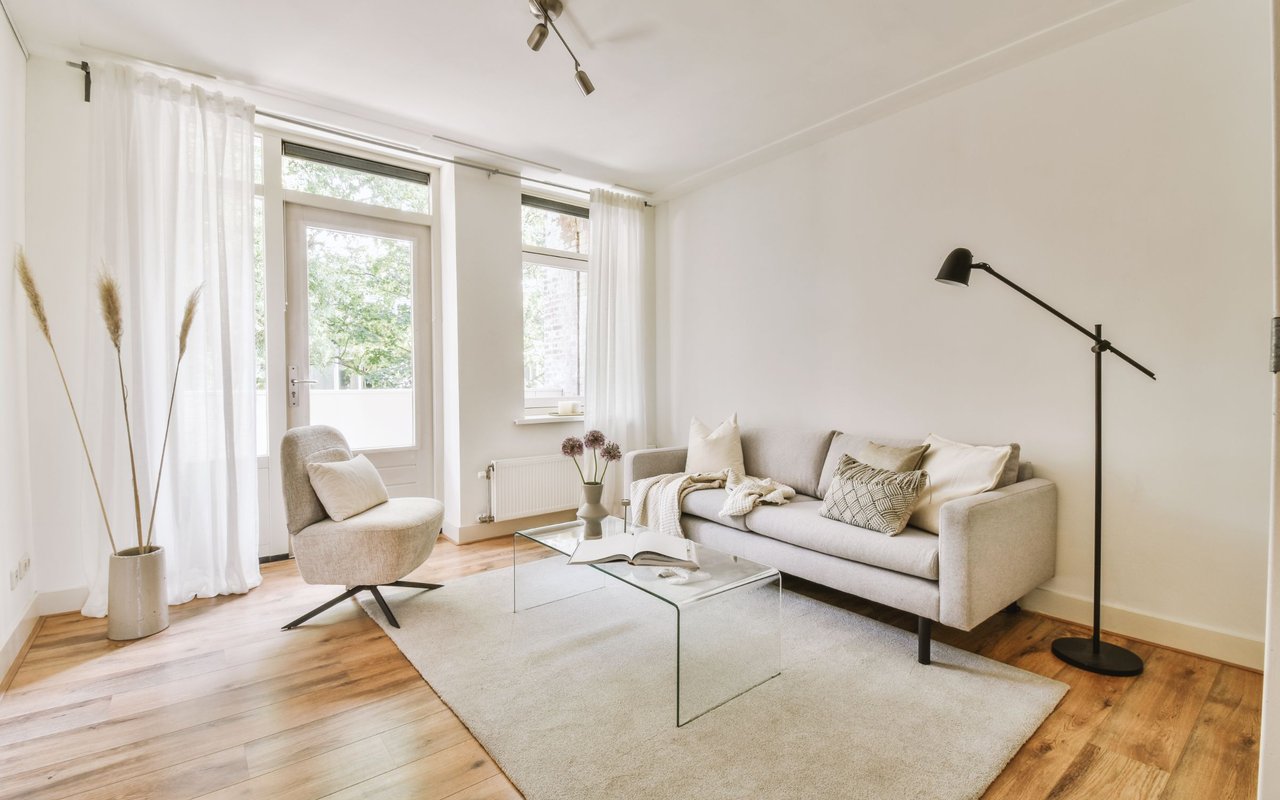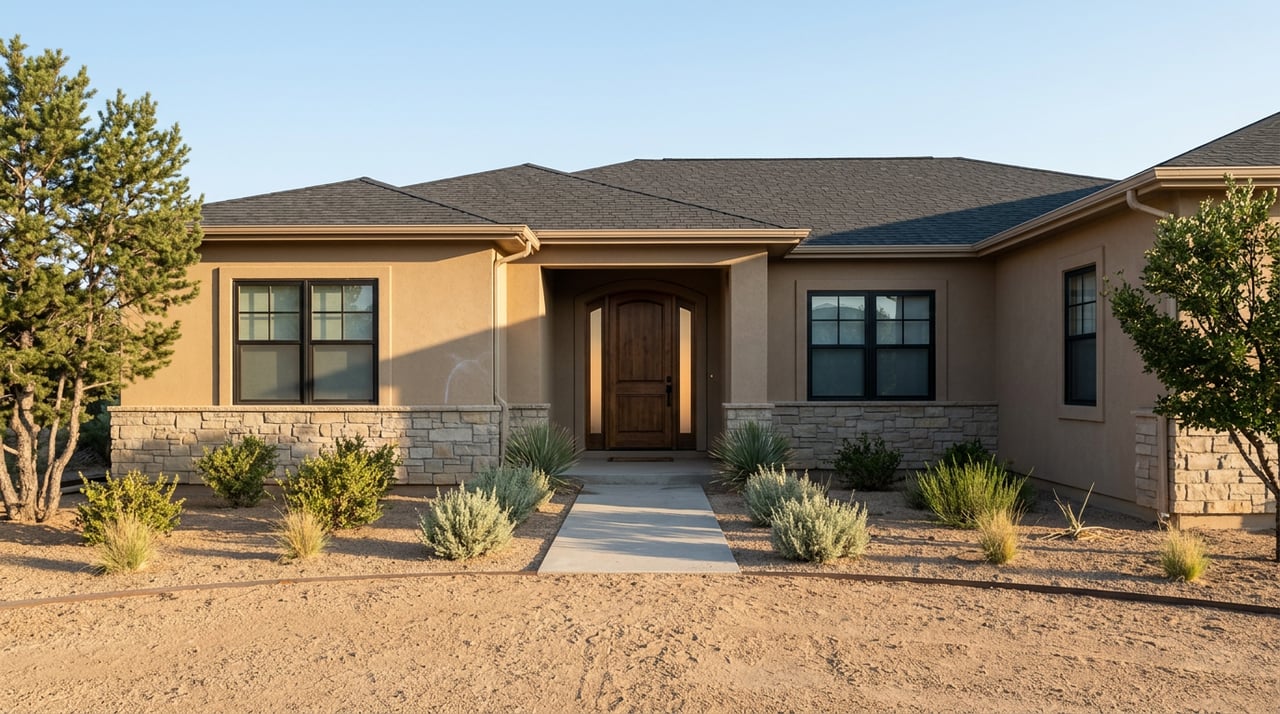
An investor calls the Blake Walker Group with a house already picked out. Three bedrooms, a half mile off Main Street, priced right, photos that would sing on a booking platform. The plan is simple: close, furnish, list it by ski-shoulder season. Then someone asks the one question that actually matters, and it isn't about the kitchen or the roof. It's what zone is this parcel in, and has it ever been licensed as a nightly rental before.
That question ends more Moab short-term rental purchases than any inspection finding does.
The house is not the asset that determines whether you can legally rent it by the night. The parcel's zoning history is. Two properties that look identical from the curb, same square footage, same block, can have completely different answers to "can I Airbnb this," and the difference has nothing to do with the structure itself.
Two governments, two rulebooks, one address
The first fact that trips up out-of-area buyers is jurisdictional. Moab isn't one market with one set of nightly rental rules. It's the City of Moab and unincorporated Grand County operating under separate codes, separate zoning maps, and separate staff. A property a few blocks apart from your target house might sit in the other jurisdiction entirely, and the rules do not carry over.
Inside city limits, the Moab Municipal Code prohibits short-term rentals outright in a long list of zones, including A-2, C-1, C-3, C-5, FW, I-1, R&D-1, R-2, R-3, and R-4, plus any zone where nightly rental isn't specifically listed as a permitted use. That's most of residential Moab. New conversions of ordinary houses into nightly rentals inside the city are, for practical purposes, off the table unless the property already carries grandfathered rights or sits in one of the narrow resort-designated exceptions. The current version of that code runs through Ordinance 26-12, passed June 9, 2026, so this isn't stale policy. It's the rule right now.
Step outside city limits into unincorporated Grand County and the mechanism changes shape. The county doesn't ban nightly rentals as a category. It gates them through overlay districts layered on top of the base zoning, primarily the Overnight Accommodations Overlay and the Alternative Dwelling Overlay. A parcel inside an OAO can potentially operate as a nightly rental. A parcel just outside that boundary, even with an identical house on an identical lot, generally cannot. The overlay line, not the county line and not the property line, is what separates a legal Airbnb from a code violation.
What the numbers say about why this exists
This isn't regulation for its own sake. A state-level staff report prepared for Summit County's council compared short-term rental concentration across Utah counties and found Grand County's short-term rental share of total housing units at 18.8 percent, compared to 3.7 percent in Washington County and just 0.8 percent in Salt Lake County. Grand County has one of the highest concentrations of nightly rentals relative to its housing stock in the entire state.
That concentration is the reason the overlay system exists in the first place. A market where nearly one in five housing units already functions as a nightly rental doesn't have room to treat every new listing as a neutral private decision. The overlay framework is the county's way of drawing a boundary around where that pressure is allowed to keep building and where it isn't. If you're evaluating a property today, you're not encountering an arbitrary rule. You're encountering the result of a market that's already saturated in specific pockets and closed off in others.
What it actually costs to get licensed, and who signs off
If your target property does sit inside an OAO district and has not previously operated as a nightly rental, the county assesses a one-time $500 OAO permit fee before you can move forward. That fee is only the entry point. The application then routes through five separate departments for review: Grand County Planning and Zoning, the Building Department, Code Enforcement (which in Grand County includes Dark Skies compliance), the Moab Valley Fire Department, and the Southeast Utah Health Department. Any one of them can require an inspection or additional documentation before signing off, and the county doesn't issue a fee estimate until all five have weighed in.
If you have specific questions about how a parcel is currently zoned or whether it carries OAO eligibility, Grand County's Planning and Zoning Director, Andrew Jackson, is the named contact for that determination. That's not a form you fill out blind. It's a conversation you have before you write an offer, not after you're under contract.
Inside city limits, the stakes for skipping this step are sharper. Under city ordinance 5.67, operating a nightly rental without a license is a Class A misdemeanor, not a civil fine you can absorb as a cost of doing business. Licensing, where it's even available, typically takes three to six weeks and requires proof of insurance, a site plan, and a designated local contact who can respond around the clock.
The zoning can say yes and the answer can still be no
Even a property that clears every zoning and overlay hurdle isn't automatically clear to operate. If the parcel sits inside a homeowners association, the HOA's CC&Rs govern independently of what the city or county allows. An HOA can prohibit nightly rentals or impose a 30-day minimum lease term even in a zone where the underlying government would otherwise permit shorter stays. Buyers who confirm zoning and stop there are missing a second, separate veto point that shows up in the recorded covenants, not the zoning map.
The house doesn't decide if you can rent it by the night. The overlay, the license history, and the recorded covenants decide together, and all three have to agree.
The order of operations that actually protects you
Before an offer goes in on a property you intend to operate as a nightly rental, run this sequence:
- Confirm whether the parcel is inside City of Moab limits or unincorporated Grand County. The rulebook and the staff you'll deal with are entirely different.
- Pull the exact zoning designation for the parcel, not the neighborhood's general reputation. Get the written code section, not a verbal description.
- Ask specifically whether the parcel sits inside an Overnight Accommodations Overlay or an Alternative Dwelling Overlay, and whether it has ever held a nightly rental license before. Prior operation changes what you're paying and what review is required.
- Request the HOA's CC&Rs in writing if one exists, and read the rental section specifically. Verbal assurances from a seller or listing agent are not the same as the recorded document.
- Budget for the licensing timeline, three to six weeks inside city limits, plus the OAO fee and five-department review in the county, before you count on rental income starting the month you close.
None of this shows up in a standard home inspection. It shows up in a records request, a zoning letter, and a phone call to the department that actually issues the answer.
Frequently asked questions
If the previous owner rented it out informally, does that make it legal for me? Not automatically. Licensing and overlay eligibility are tied to the property's documented history with the city or county, not to informal past use. Verify the license record directly rather than assuming continuity.
Can I avoid all of this by just not advertising it publicly? Both jurisdictions license and enforce based on use, not just advertising. Operating without the required license carries penalties in both the city and the county regardless of how the property is marketed.
Does putting the property in an LLC change the zoning outcome? No. Zoning, overlay eligibility, and licensing attach to the parcel itself. Ownership structure doesn't change what the underlying land use code allows on that address.
What if the zoning allows it but I just want a longer-term guest instead? A 30-day-or-longer rental generally falls outside short-term rental definitions in both jurisdictions, which is why some buyers who can't clear the nightly rental bar pivot to that structure instead. It comes with its own tax and lease considerations worth reviewing separately.
If you're evaluating a specific Moab property for nightly rental potential, the Blake Walker Group can walk the zoning and overlay history with you before you write an offer, not after. Get a free home valuation to start with a clear picture of where a property actually stands.